
Menopause anxiety describes the persistent worry, unease, or sense of dread that many women experience during perimenopause and menopause, often alongside physical symptoms such as hot flushes, disrupted sleep, and heart palpitations. It happens because shifting hormone levels — particularly oestrogen and progesterone — directly affect the brain chemistry involved in mood and stress regulation. It is a genuine, common, and treatable experience, and therapy, including CBT and ACT, can make a real difference alongside any medical support you’re receiving.
Medical disclaimer: This article is for general information only and does not replace medical advice, diagnosis, or treatment. Menopause is a medical and hormonal transition, and options such as HRT should always be discussed with your GP. Therapy addresses the emotional and psychological impact of this transition — it is not a substitute for appropriate medical care.
What Is Menopause Anxiety?
Menopause anxiety isn’t a single, separate diagnosis — it’s the anxiety that emerges or intensifies during perimenopause (the years leading up to menopause) and menopause itself, driven by fluctuating and then declining hormone levels. For some women, it appears as a new experience entirely: a woman who has never considered herself an “anxious person” suddenly finds herself lying awake at 3am with a racing heart, or gripped by a sense of dread with no obvious trigger. For others, it’s an intensification of anxiety they’ve experienced before, returning with more force or in new forms.
What makes menopause anxiety particularly disorientating is how physical it often feels. A hot flush can bring a genuine surge of panic. Heart palpitations, common during perimenopause, can be mistaken for a cardiac event. Brain fog can make ordinary decisions feel overwhelming, which in turn fuels anxiety about coping and competence. It is a deeply embodied experience, not simply “worrying more.”
How Common Is Menopause Anxiety, and Who Does It Affect?
Anxiety is one of the most frequently reported emotional symptoms of the menopause transition, and it can begin well before periods stop entirely, during perimenopause, when hormone levels are fluctuating most unpredictably. It affects women across all backgrounds and life stages, though it often collides with other pressures at the same time of life — caring for teenagers or ageing parents, demanding careers, and long-term relationships that are themselves evolving. Whatever combination of pressures you’re carrying, individual or couples support is available depending on what feels most useful right now. Many women describe feeling blindsided by this transition, particularly if they associated menopause primarily with hot flushes rather than mood and anxiety changes.
Common Signs and Symptoms of Menopause Anxiety
Menopause-related anxiety tends to show up across three overlapping areas, much like other forms of anxiety, but with hormonal timing and physical symptoms woven through all of them.
Cognitive signs (the thoughts)
- A persistent sense of dread or unease that doesn’t seem to have an obvious cause
- Racing, repetitive worry, particularly at night
- Difficulty concentrating or a feeling of “brain fog,” which itself becomes a source of worry
- A loss of confidence or a sense of not recognising yourself
Physical signs (what you feel)
- Heart palpitations or a racing heart, often triggered by or alongside hot flushes
- Disrupted sleep, frequently waking in the early hours with anxious thoughts already present
- Muscle tension, restlessness, or a persistent feeling of being “on edge”
- Nausea or a knotted stomach during anxious episodes
Emotional and behavioural signs
- Increased irritability or tearfulness, sometimes with little warning
- Avoiding social situations or work tasks that previously felt manageable
- A new or heightened fear of specific situations, such as driving, flying, or public speaking
- Low mood alongside the anxiety, or a sense of grief for a former sense of self
If this pattern feels familiar, please know that it is both common and genuinely treatable — you are not “losing yourself,” and you are not alone in experiencing it this way.
The Hormone–Anxiety Link Explained
Oestrogen and progesterone do far more than regulate the reproductive cycle — they also influence neurotransmitters directly involved in mood and calm, including serotonin and GABA. As oestrogen fluctuates and then declines during perimenopause and menopause, this can disrupt the systems that normally help regulate stress and anxiety, making the nervous system more reactive and less able to settle itself. This is why so many women notice anxiety appearing or worsening at this life stage even when nothing else in their circumstances has obviously changed — the shift is happening at a biological level, not simply a psychological one.
This is an important distinction, because it means menopause anxiety isn’t a sign of personal weakness, poor coping, or “not managing” — it’s a physiological transition that has genuine emotional consequences, and it deserves to be treated with the same seriousness as any other hormonally-driven health change.
An NHS and Women’s Health Perspective on Menopause Anxiety
Having spent over 30 years working within the NHS as a Registered Mental Health Nurse, including extensive experience supporting women’s mental health and emotional wellbeing across different life stages, I’ve supported many women through exactly this transition (more on this background is on the About page) — often women who came to therapy convinced something was “wrong” with them, only to find that what they were experiencing was a well-recognised, hormonally-driven pattern with real, effective support available.
I am also a mum myself, and I understand first-hand how menopause can arrive in the middle of an already full life — alongside teenagers, ageing parents, demanding jobs, and long-standing relationships that are changing shape too. That lived experience, alongside my clinical background, means I bring both professional grounding and genuine personal understanding to this work.
How Therapy Helps with Menopause Anxiety
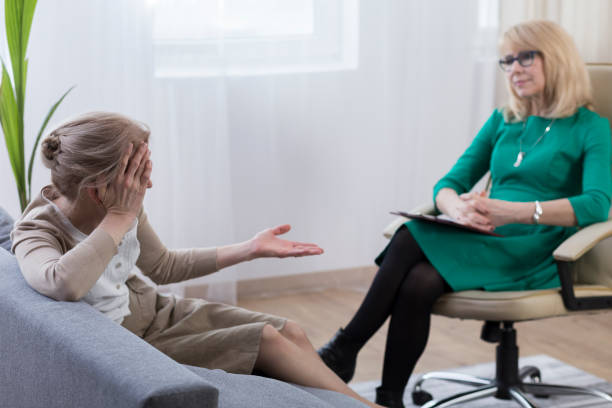
Cognitive Behavioural Therapy (CBT) is well-evidenced for anxiety generally, and it adapts well to the specific pattern of menopause anxiety within my individual therapy sessions. In practice, this usually means:
- Understanding your personal pattern — when the anxiety tends to appear, what makes it worse, and how hormonal timing may be interacting with life stress
- Working with catastrophic thoughts about physical symptoms, such as palpitations or hot flushes, so they feel less alarming
- Rebuilding confidence where brain fog or mood changes have knocked your sense of competence
- Developing practical tools for disrupted sleep and night-time anxiety specifically, since this is one of the most common complaints
- Building a longer-term toolkit you can return to as hormone levels continue to shift over the coming months and years
Alongside CBT, I also draw on Acceptance & Commitment Therapy (ACT), which many women find particularly helpful during menopause because it focuses less on eliminating anxious thoughts and more on building a different relationship with them — useful when hormonal anxiety doesn’t always respond neatly to logical reassurance. (See our related guide on ACT techniques for menopause-related mood changes for more detail on this approach.)
Menopause Anxiety or Depression? Knowing the Difference
Anxiety and low mood frequently overlap during menopause, and it isn’t always obvious which is driving the other. Broadly, anxiety tends to involve a sense of dread, physical activation, and racing thoughts, while depression tends to involve low energy, loss of interest, and a flattened sense of hope — but many women experience a genuine mix of both, and that mix is itself common and treatable. (A fuller comparison is available in our guide to menopause anxiety versus depression.)
Menopause Anxiety and Relationships
Menopause anxiety doesn’t happen in isolation — it often affects partners and family members too, sometimes in ways that are hard to put into words. Irritability, reduced patience, changes in intimacy, and a general sense of “not being yourself” can create friction or distance in a relationship, even when both people care about each other deeply. Couples counselling can be a helpful space to talk through these changes together, particularly when menopause has been going on for a while without either partner quite naming what’s happening. (See our related guide on talking to your partner about menopause anxiety.)
Self-Help Strategies You Can Start Today
Alongside professional support, some gentle steps can help take the edge off:
- Keep a simple symptom and mood diary, which can help you and your GP or therapist spot patterns over time
- Prioritise a wind-down routine before bed, since disrupted sleep and anxiety often feed each other
- Reduce caffeine and alcohol where possible, as both can intensify hot flushes, palpitations, and anxious feelings
- Build in regular movement, which supports both hormonal wellbeing and mood, even in small amounts
- Talk to your GP about the full range of options available, including HRT, since this is a medical conversation worth having openly
- Talk to people you trust about what you’re experiencing, rather than carrying it alone or assuming it will simply pass
These steps can genuinely help, but for many women, structured therapeutic support alongside them is what creates lasting change, particularly when anxiety has become a daily presence rather than an occasional wobble.
When to Seek Professional Support
It’s worth seeking support if menopause-related anxiety is affecting your sleep, work, relationships, or confidence, if you’re avoiding things you’d normally enjoy, or if the worry feels disproportionate to what’s actually happening in your life. It’s also worth seeking support if you’ve noticed low mood alongside the anxiety, since the two so often travel together during this transition. As with any hormonal health change, there’s no need to wait until things feel unmanageable before reaching out — earlier support often means a shorter, gentler path through it.
Getting Support for Menopause Anxiety in Ely and Cambridgeshire
If menopause anxiety is affecting your daily life, individual therapy can help, alongside any medical support you’re already receiving. Sessions are available face-to-face in Haddenham, near Ely, or online for women across Cambridgeshire and further afield, fitting around a schedule that’s often already full.
Frequently Asked Questions
Does menopause really cause anxiety, or is it a coincidence of timing?
Menopause genuinely causes anxiety for many women, through the direct effect of fluctuating and declining oestrogen and progesterone on brain chemistry involved in mood and stress regulation. It isn’t simply a coincidence of a stressful life stage, though the two often overlap.
Can perimenopause cause anxiety before periods even become irregular?
Yes. Hormone fluctuations often begin well before obvious changes to the menstrual cycle, which means anxiety and other emotional symptoms can appear years before someone might otherwise think to link them to menopause.
Is menopause anxiety the same as a panic attack?
They can overlap. Some women experience genuine panic attacks during menopause, often triggered by hot flushes or palpitations, while others experience a more constant, lower-level anxiety without full panic episodes. Both are valid and both respond well to therapy.
Will HRT alone resolve menopause anxiety?
For some women, HRT significantly improves anxiety symptoms, while others continue to benefit from additional support such as therapy alongside it. This is a conversation worth having with your GP, and therapy and medical treatment are not mutually exclusive.
How is menopause counselling different from general anxiety counselling?
Menopause counselling takes the hormonal and physiological context fully into account, rather than treating the anxiety as purely psychological. This means understanding your symptoms, timing, and physical experience as part of the picture, not separate from it.
Do I need a diagnosis before starting therapy for menopause anxiety?
No. You don’t need a formal diagnosis to start therapy — if menopause-related anxiety is affecting your life, that’s reason enough to seek support, and a conversation about your experience is always the starting point.
How do I get started?
The simplest first step is a free 20-minute call — a relaxed, no-obligation conversation about what you’re experiencing, so we can see together whether this feels like the right support for you.