

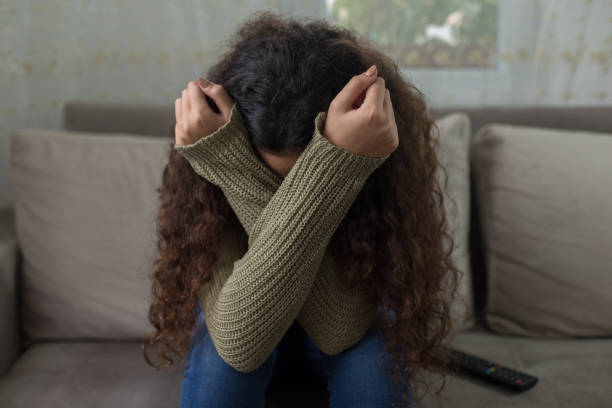
A racing heart. Tightness in your chest. Feeling unable to catch your breath. Dizziness. Shaking. A sudden fear that something terrible is about to happen.
If you have experienced these symptoms unexpectedly, you may have wondered whether something is seriously wrong.
These can be symptoms of a panic attack.
Panic attacks can feel frightening, particularly when they happen for the first time. The physical sensations can be so intense that some people believe they are having a heart attack, losing control or facing an immediate danger.
Although panic attacks can feel overwhelming, understanding what is happening can make them less frightening. Learning how to recognise the signs, understand possible triggers and respond calmly can also help reduce the fear of experiencing another attack.
If panic attacks or ongoing anxiety are affecting your everyday life, professional support can provide a safe place to understand what is happening and develop practical ways to cope.
What Is a Panic Attack?
A panic attack is a sudden episode of intense fear or discomfort that can happen even when there is no immediate physical danger.
It often involves a combination of physical, emotional and cognitive symptoms.
During a panic attack, you may experience:
- A racing or pounding heartbeat
- Shortness of breath
- Chest discomfort
- Dizziness or light-headedness
- Sweating
- Shaking
- Nausea or stomach discomfort
- Tingling or numbness
- Feeling hot or cold
- Feeling detached from yourself or your surroundings
- Fear of losing control
- Fear of dying
- A strong sense that something terrible is about to happen
Panic attacks can come on quickly and may feel extremely intense.
The experience is often frightening precisely because the physical symptoms themselves can seem dangerous.
It is important, however, not to automatically assume that physical symptoms are caused by anxiety. New, severe or unusual symptoms should be medically assessed, particularly chest pain, breathing difficulties or symptoms that could indicate another health problem.
What Does a Panic Attack Feel Like?
There is no single way to experience a panic attack.
For one person, the main symptom may be a pounding heart. For another, it may be dizziness or a feeling of unreality.
Some people describe feeling as though their body has suddenly gone into emergency mode.
You might think:
“Something is terribly wrong.”
“I’m going to faint.”
“I can’t breathe.”
“I’m going to lose control.”
“I need to get out of here.”
These thoughts can increase fear, which can then intensify the physical symptoms.
This can create a cycle:
Physical sensation → frightening thought → increased fear → stronger physical sensation → even more frightening thoughts.
Understanding this cycle is an important part of learning how to manage panic.
Why Do Panic Attacks Happen?
The human body’s fight-or-flight response is designed to protect us.
When the brain detects danger, the body prepares to respond. Heart rate can increase, breathing changes, muscles tense and attention becomes focused on potential threats.
This response is useful when there is genuine danger.
However, the body’s alarm system can sometimes activate when there is no immediate physical threat.
A panic attack may occur during a stressful period, after a frightening experience or in a situation that has become associated with fear.
Sometimes, however, there does not appear to be an obvious trigger.
That can make the experience even more confusing.
You may find yourself asking:
“Why did I panic when everything seemed fine?”
The absence of an obvious trigger does not mean the experience was not real. Stress can accumulate gradually, and our nervous system can respond to internal sensations, thoughts or memories as well as external situations.
Common Triggers for Panic
Triggers vary considerably between people.
Possible triggers can include:
- High levels of stress
- Major life changes
- Relationship difficulties
- Work pressure
- Lack of sleep
- Caffeine or other stimulants
- Certain environments
- Previous frightening experiences
- Health worries
- Social situations
- Fear of bodily sensations
- Ongoing anxiety
For some people, panic develops after a particularly stressful period.
For others, the first panic attack seems to happen without warning.
Once someone has experienced a panic attack, they may become worried about having another one. This can create a new problem: fear of the panic itself.
The Fear of Having Another Panic Attack
After a frightening panic attack, it is understandable to become more alert to physical sensations.
You might notice your heartbeat and immediately think:
“What if I have another panic attack?”
That thought creates anxiety.
The anxiety produces physical sensations.
You notice those sensations and become even more frightened.
This can create another cycle:
Fear of panic → increased monitoring of the body → anxiety → physical sensations → more fear.
Over time, some people begin avoiding places or activities where they believe another panic attack might occur.
They may stop travelling alone, avoid public transport, leave shops quickly, avoid social events or feel unable to go far from home.
Avoidance can provide short-term relief.
However, it can also teach the brain that the situation really was dangerous.
This is why learning to understand panic rather than constantly escaping from it can be an important part of recovery.
Panic Attacks and Anxiety
Panic attacks and anxiety are related, but they are not exactly the same.
Anxiety often develops gradually and can involve ongoing worry about possible future problems.
A panic attack is typically more sudden and intense.
Someone can experience panic attacks without having constant anxiety, while others may experience panic as part of a broader anxiety problem.
If you regularly experience excessive worry, physical tension, difficulty relaxing or fear that interferes with everyday life, it may be worth exploring professional anxiety support.
A qualified therapist can help you understand anxiety, panic and other emotional difficulties and work with you to identify patterns that may be maintaining them.
What to Do During a Panic Attack
When panic begins, your first instinct may be to make the sensations stop immediately.
That is completely understandable.
However, fighting the sensations aggressively can sometimes increase your fear of them.
Instead, try to focus on responding calmly and safely.
1. Remind Yourself What Is Happening
If you recognise the symptoms as familiar panic symptoms, try telling yourself:
“This feels frightening, but I recognise what is happening.”
“My body’s alarm system has activated.”
“I can allow this feeling to pass.”
This does not mean ignoring symptoms that could indicate a medical emergency. If you are unsure whether what you are experiencing is panic or something medically serious, seek appropriate medical help.
2. Slow Your Breathing
Panic can cause breathing to become rapid or shallow.
Rather than taking very large breaths, try breathing gently and slowly.
You might focus on making your exhalation slightly longer than your inhalation.
For example:
Breathe in gently.
Breathe out slowly.
Repeat without forcing the breath.
The aim is not to achieve a perfect breathing pattern. It is simply to give your body a calmer signal.
3. Ground Yourself
Grounding can help bring your attention back to the present moment.
Try noticing:
- Five things you can see
- Four things you can physically feel
- Three things you can hear
- Two things you can smell
- One thing you can taste
You can also place your feet firmly on the floor and notice the physical sensation of being supported.
4. Reduce the Struggle
One of the hardest lessons about panic is that trying desperately to force it away can sometimes make it more frightening.
Instead, you might say:
“I don’t like this feeling, but I can allow it to be here.”
The goal is not to enjoy the sensation.
It is to reduce the fear of the sensation.
5. Stay Somewhere Safe
If possible, find a comfortable and safe place to sit or stand.
If you are driving, pull over somewhere safe.
If you are in a crowded environment and need some space, move somewhere quieter when appropriate.
Safety should always come first.
What Not to Do During Panic
There is no universal rule for what someone “should” do during a panic attack, but some responses can unintentionally reinforce fear.
For example, repeatedly checking your pulse, searching symptoms online, asking others for reassurance or immediately escaping every situation can temporarily reduce anxiety while making you more fearful of future sensations.
This does not mean reassurance or leaving a situation is always wrong.
Sometimes you genuinely need support or need to remove yourself from an overwhelming environment.
The important question is whether a behaviour is helping you manage the situation or becoming something you feel you must do because you cannot tolerate the possibility of panic.
Managing Panic Attacks Over Time
Managing panic is not only about knowing what to do during an attack.
Long-term improvement often involves understanding the patterns surrounding panic.
Learn Your Triggers
Keep a simple record of when panic occurs.
Consider:
- Where were you?
- What happened beforehand?
- What were you thinking?
- What physical sensations did you notice?
- What did you do next?
- Did anything make the fear stronger?
- What helped you recover?
You may begin to notice patterns that were previously difficult to see.
Look at Your Lifestyle
Stress, poor sleep and excessive caffeine can make some people more vulnerable to anxiety symptoms.
Consider whether you are getting enough rest, eating regularly, moving your body and allowing yourself time away from constant demands.
These steps are not a cure for panic disorder, but they can form part of a wider approach to mental wellbeing.
Challenge Catastrophic Thoughts
Panic often involves interpreting physical sensations as evidence of danger.
For example:
“My heart is racing, so something must be seriously wrong.”
CBT can help examine these interpretations and consider alternative explanations.
A CBT therapist online can also provide practical strategies for recognising unhelpful thought patterns and developing more balanced responses.
Erica’s approach incorporates CBT alongside other evidence-based therapeutic approaches. You can learn more about Erica’s therapeutic approach and professional experience.
Can Therapy Help With Panic Attacks?
Yes, therapy can be helpful for people experiencing recurrent panic attacks or anxiety.
Therapy can provide a confidential environment where you can explore:
- What may be contributing to panic
- How you interpret physical sensations
- Fear of future attacks
- Avoidance behaviours
- Anxiety-related thought patterns
- Previous experiences
- Stress and life circumstances
- Confidence in managing difficult sensations
CBT is commonly used to help people understand the relationship between thoughts, feelings, physical sensations and behaviours.
Other approaches may also be useful depending on the individual.
The right treatment is not necessarily the same for everyone. A good therapist will consider your circumstances, goals and preferences rather than treating panic as a one-size-fits-all problem.
When Should You Seek Professional Support?
You do not have to wait until panic becomes severe before seeking help.
Consider talking to a professional if:
- You are experiencing repeated panic attacks
- You constantly worry about having another attack
- You avoid places because you fear panic
- Anxiety is affecting your work or studies
- You are struggling to sleep
- Relationships are being affected
- You regularly feel overwhelmed
- You are constantly monitoring physical sensations
- You feel your life is becoming smaller because of fear
Some people search for an anxiety therapist near me when they want face-to-face support, while others prefer the flexibility of an online therapist.
Both approaches can be appropriate depending on your circumstances and the type of support you need.
Online Therapy for Panic and Anxiety
Online therapy has become an increasingly accessible option for people who want professional support without travelling to a clinic.
For someone searching for an online therapist in the UK, sessions can provide a practical alternative to face-to-face appointments, particularly around work, childcare or geographical location.
However, choosing a therapist should involve more than searching for the “best online therapy service”.
Look for someone with appropriate professional qualifications and experience, and consider whether their therapeutic approach fits your needs.
A good therapeutic relationship matters too. You should feel able to talk openly without feeling judged.
If online therapy is not suitable for your particular circumstances, a therapist can help you consider other appropriate sources of support.
Panic Attacks and Relationships
Panic can affect relationships in ways that are not always obvious.
You might become dependent on a partner for reassurance or feel guilty because they have to support you during difficult moments.
Your partner may also struggle to understand why certain situations have become frightening.
Open communication can help.
Instead of simply saying:
“I can’t go.”
you might explain:
“I’m worried I might panic, and that is making this situation feel difficult.”
This gives the other person a better understanding of what you are experiencing.
Where anxiety and panic are creating significant relationship difficulties, couples therapy can provide a space to explore communication, boundaries and patterns of support.
For couples who need flexibility, online couples therapy in the UK can also be an option.
Panic Attacks in Teenagers and Young People
Panic attacks can affect young people as well as adults.
Teenagers may experience panic alongside:
- School or exam pressure
- Friendship difficulties
- Social anxiety
- Family changes
- Bullying
- Identity concerns
- Fear about the future
Sometimes anxiety in teenagers is expressed through physical complaints, withdrawal, irritability or avoiding school and social situations.
It is important not to assume that every physical symptom is anxiety. Persistent or unexplained symptoms should be discussed with an appropriate healthcare professional.
When emotional difficulties are affecting a young person’s everyday life, teen counselling in the UK can provide an opportunity to talk in a confidential and supportive environment.
How Parents Can Support Someone Experiencing Panic
If your child, teenager or partner experiences panic, your first instinct may be to reassure them repeatedly:
“There’s nothing to worry about.”
Although this comes from a caring place, it may not always help in the long term.
Instead, you can try:
- Staying calm
- Listening without judgement
- Acknowledging that the experience feels frightening
- Helping them breathe slowly
- Encouraging grounding
- Avoiding criticism
- Asking what support they need
- Encouraging appropriate professional help when necessary
Parents can also benefit from support themselves.
Watching someone you love experience panic can be distressing, particularly if you are unsure what to do.
When Panic Becomes a Pattern of Avoidance
One of the most important aspects of managing panic is understanding avoidance.
Imagine someone has their first panic attack on a train.
They become frightened of having another one.
They stop using trains.
For a while, their anxiety decreases.
But then they need to travel somewhere by train again.
The fear returns.
They may begin avoiding other forms of public transport too.
Eventually, their world becomes smaller.
This is why effective anxiety treatment often involves gradually changing the relationship with fear rather than organising life entirely around avoiding it.
Any exposure-based work should be appropriately planned and, where indicated, carried out with professional guidance.
You Are More Than Your Panic
A panic attack can make you feel as though your body and mind are no longer under your control.
But experiencing panic does not mean you are weak, broken or incapable.
It means your body’s alarm system has produced an intense response.
Understanding that response can reduce some of the fear surrounding it.
With appropriate support, people can learn to recognise panic symptoms, respond differently to frightening thoughts, reduce avoidance and regain confidence in situations that once felt overwhelming.
Getting Support for Panic and Anxiety
You do not need to understand everything about panic before asking for help.
If you are experiencing recurring panic attacks, anxiety or fear that is beginning to restrict your everyday life, talking to a qualified professional can be an important step.
Erica Jackson offers a warm, confidential and non-judgemental space for adults, couples, teenagers and parents. Her approach draws on evidence-based therapies including CBT and ACT, with support tailored to the individual rather than a one-size-fits-all model.
Sessions are available face-to-face in Haddenham near Ely, as well as online where appropriate.
If you would like to discuss what you are experiencing, you can contact Erica to arrange a confidential conversation. You do not need to have everything worked out before reaching out. Sometimes the first step is simply talking to someone who understands.
Frequently Asked Questions
How long does a panic attack last?
Panic attacks often build quickly and can feel extremely intense. The most severe symptoms generally peak relatively quickly, although feelings of anxiety, tiredness or shakiness can continue afterwards.
If you experience symptoms that are new, severe or medically concerning, seek appropriate medical assessment rather than assuming they are caused by panic.
Can panic attacks happen without a trigger?
Yes. Sometimes there is no obvious external trigger. Stress, physical sensations, thoughts or accumulated emotional pressure can all potentially contribute.
Can you stop a panic attack?
You may not be able to switch a panic attack off instantly. However, recognising what is happening, slowing your breathing, grounding yourself and reducing the fear of the sensations can help you move through the experience more effectively.
Can CBT help with panic attacks?
CBT can be helpful for many people experiencing panic because it explores the connection between thoughts, physical sensations, emotions and behaviours. It can also help address avoidance and fear of future panic.
Should I see a therapist for panic attacks?
If panic attacks are recurring, causing significant distress or leading you to avoid everyday activities, professional support may be beneficial. A therapist can help you understand the pattern and develop strategies suited to your circumstances.
Can panic attacks be treated online?
For many people, online therapy can be a convenient way to access psychological support. Whether it is appropriate depends on the individual’s needs, circumstances and the type of support required.